Whether you’re considering a barista job or hiring for your coffee shop, knowing what baristas actually earn helps you make smarter decisions. The national average sits around $15.55 per hour—but that number tells only part of the story.
Tips, location, and employer type all shift the real take-home pay. Below, you’ll find a breakdown of barista wages by state, company, and experience level, plus how coffee shop owners can set competitive pay without blowing their labor budget.
How much does a barista make per hour?
The average barista in the United States earns around $15.55 per hour, according to ZipRecruiter. That’s likely the base wage—before tips get added in.
Hourly rates typically fall between $13 and $19, depending on location and employer. Entry-level baristas often start near minimum wage, while experienced baristas at specialty cafes or in expensive cities land closer to the top of that range.
Average barista salary per year
For a full-time barista working 40 hours per week, that $15.55 hourly rate works out to roughly $32,344 per year. The math: $15.55 × 40 hours × 52 weeks.
Here’s the catch, though. Most baristas don’t work full-time hours. Part-time schedules are the norm at coffee shops, which means actual annual earnings often land somewhere between $20,000 and $28,000. If you’re benchmarking wages or budgeting for staff, keep that distinction in mind.
How much do baristas make in tips?
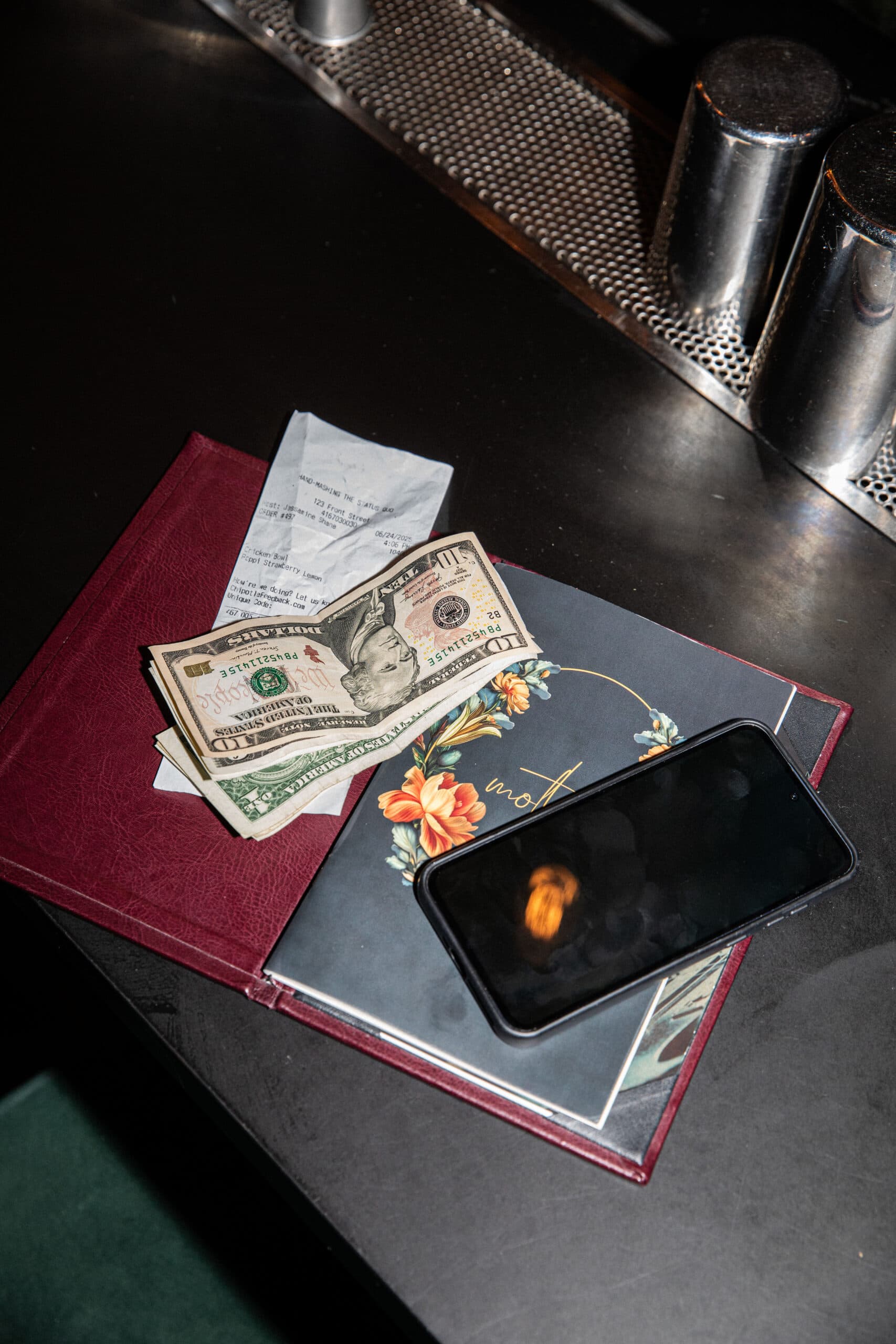
Tips can add anywhere from $2 to $5 per hour to a barista’s base wage, sometimes more at busy locations. Indeed reports that baristas average around $20 per day in tips, though the number swings widely based on shop type and foot traffic.
How tips work depends on the coffee shop:
- Tip jars: The traditional counter jar, split among baristas working that shift
- Digital tips: Customers add tips on card readers or through mobile ordering apps
- Tip pooling: Many shops divide all tips equally among baristas on a given shift, regardless of who rang up the sale
High-traffic locations in urban areas tend to generate better tips. A barista at a busy downtown cafe will typically out-earn someone at a quieter suburban shop, even if their base wage is identical.
2026 Tipping Playbook
Learn how to manage, distribute, and track tips fairly—while staying compliant and keeping your team’s trust.
Average barista salary by state
Where you work matters. A lot. States with higher minimum wages and higher costs of living pay baristas more, and the gap between the highest and lowest paying states can be $5 or more per hour.
Highest-paying states for baristas
California tends to lead the pack, with baristas averaging $19.69 per hour according to Indeed. Washington, Massachusetts, and New York are also up there, hovering around $17 to $20 per hour.
What do these states have in common? Higher state minimum wages, strong coffee cultures, and expensive real estate that drives up the cost of everything—including labor. But keep in mind that the high cost of living can mean less spending power for baristas living here.
Lowest-paying states for baristas
States in the South and rural Midwest tend to pay baristas less, often in the $11 to $13 per hour range. Lower minimum wages and lower overall costs of living drive the difference.
Many states that are stuck at the federal minimum wage ($7.25) may also lead to lower pay for baristas. Wages vary by city within each state—check local job postings for accurate benchmarks.
Highest-paying cities for baristas
Metro areas often pay above state averages. Competition for workers is fiercer, and the cost of living demands higher wages.
Some of the highest-paying cities for baristas include San Francisco, Seattle, New York, and Boston. High cost of living, dense populations, and thriving specialty coffee scenes all push wages up in these markets.
If you’re a barista considering relocation, these cities offer higher pay. Just remember that rent and living expenses eat into those gains.
How much do Starbucks baristas make?
Starbucks is one of the largest coffee chain employers in the country, so this question comes up constantly. The answer depends on location and tenure.
According to Starbucks itself, baristas earn over $19 per hour on average. And when factoring in total compensation with benefits, it averages $30 per hour.
Beyond the hourly rate, Starbucks offers benefits that smaller shops can’t match:
- Tips: Digital and in-store tips are pooled and distributed weekly
- Healthcare: Available to part-time employees working 20+ hours per week
- Tuition coverage: The Starbucks College Achievement Plan covers tuition for an online degree through Arizona State University
- Stock options: Eligible employees receive “Bean Stock” grants
For many baristas, these benefits add real value beyond the paycheck.
Top-paying companies for baristas
Your employer type affects your pay as much as your location. Here’s how the landscape breaks down.
Chain coffee shops
Major chains beyond Starbucks—Dunkin’, Peet’s, Dutch Bros—typically pay in the $11 to $18 per hour range, though this varies significantly by location and experience level. Benefits vary, but larger chains are more likely to offer healthcare and retirement plans.
Dutch Bros has developed a reputation for a strong tipping culture, with baristas often earning significant additional income from tips on top of their base wage. Peet’s, with its specialty coffee focus, often pays experienced baristas more than quick-service competitors.
Independent coffee shops and specialty cafes
Specialty cafes and third-wave coffee shops sometimes pay more for skilled baristas who can dial in espresso, pour latte art, and talk knowledgeably about single-origin beans. Pay varies wildly, though—some independent shops pay minimum wage, while others pay $20+ per hour for the right skills.
Tips at independent shops can run higher due to customer loyalty and a more personal experience. Benefits like healthcare, however, are rare.
| Employer Type | Estimated Hourly Range | Tip Potential | Benefits |
|---|---|---|---|
| Major chains | $15–$20 | Moderate | Often available |
| Specialty cafes | $16–$22 | Higher | Varies |
| Independent shops | $13–$18 | Variable | Rare |
How barista pay compares to similar restaurant jobs
Barista wages fall in the middle of the pack for front-of-house food service roles.
Barista vs server
Servers often earn more in total compensation because of higher tip percentages on larger checks. Their base wage may be lower, though, and income fluctuates more week to week. Baristas can have steadier paychecks but lower tip ceilings.
Barista vs cashier
Cashiers at quick-service restaurants earn similar base wages but rarely receive tips. When you factor in tips, baristas may come out ahead by $2 to $4 per hour.
Barista vs cafe shift supervisor
Shift supervisors or lead baristas may earn $2 to $5 more per hour but take on additional responsibilities—opening and closing, inventory, handling callouts, and sometimes scheduling. It’s a common next step for baristas looking to grow.
What affects how much a barista gets paid
Beyond location and employer, several factors influence barista compensation:
- Experience level: Entry-level baristas start at or near minimum wage. After a year or two, wages typically increase by $1 to $3 per hour.
- Specialty skills: Latte art, espresso calibration, and knowledge of brewing methods can justify higher pay at specialty cafes.
- Certifications: Specialty Coffee Association (SCA) certifications signal expertise and can open doors to higher-paying positions.
- Shift timing: Early morning and closing shifts sometimes pay a small premium at certain shops.
- Volume: High-volume locations demand speed and consistency—and often pay more for it.
How to set competitive barista wages at your coffee shop
If you’re running a coffee shop, paying competitive wages helps attract skilled baristas and reduce turnover. Underpaying leads to constant hiring and training, which costs more in the long run.
Here’s how to benchmark and set wages:
- Research local wages: Check Indeed, Glassdoor, and job postings from nearby competitors. What you pay in Portland won’t match what works in Phoenix.
- Factor in tips: If your shop generates strong tips, your base wage can be slightly lower while still offering competitive total compensation.
- Consider total compensation: Free drinks, flexible scheduling, and meal discounts add value beyond the hourly rate.
- Review wages regularly: Minimum wage increases and local market shifts mean revisiting pay at least once a year makes sense.
Managing labor costs while paying fair wages gets easier with the right tools. Scheduling software like 7shifts helps coffee shop managers build schedules, track labor costs in real time, and handle payroll—so you can focus on your team and your customers instead of spreadsheets.
2026 Labor Costs Playbook
Increase your bottom line with insights from over 500 restaurant pros—learn the true cost of employee turnover, the best way to manage labor costs, and proven strategies to protect profits.
FAQs about barista pay
Do baristas make good money?
Barista pay is typically at or slightly above minimum wage, with tips adding to total earnings. Whether it’s “good money” depends on location, employer, and hours worked—baristas in high-cost cities with strong tip cultures earn more than those in rural areas.
Does Starbucks pay $20 an hour?
Starbucks base pay varies by location and tenure, but many baristas earn less than $20 per hour in base wages. Total compensation, including tips, benefits, and tuition assistance, can make the job more valuable than the hourly rate suggests.
Do baristas get paid weekly or biweekly?
Most coffee shops pay baristas biweekly, though some smaller independent shops pay weekly. Pay frequency depends on the employer—ask during the hiring process.
Is being a barista a good career long-term?
Barista work can be a stepping stone to management, roasting, or coffee shop ownership. For those passionate about coffee, it offers growth paths—but career advancement usually requires moving into supervisory roles or specialty coffee.
Do baristas get benefits like health insurance?
Large chains like Starbucks offer benefits to part-time employees after meeting minimum hour requirements. Independent coffee shops rarely offer health insurance, though some provide perks like free coffee, flexible hours, or shift meals.

Rebecca Hebert, Sales Development Representative
Rebecca Hebert
Sales Development Representative
Rebecca Hebert is a former restaurant industry professional with nearly 20 years of hands-on experience leading teams in fast-paced hospitality environments. Rebecca brings that firsthand knowledge to the tech side of the industry, helping restaurants streamline their operations with purpose-built workforce management solutions. As an active contributor to expansion efforts, she’s passionate about empowering restaurateurs with tools that genuinely support their day-to-day operations.